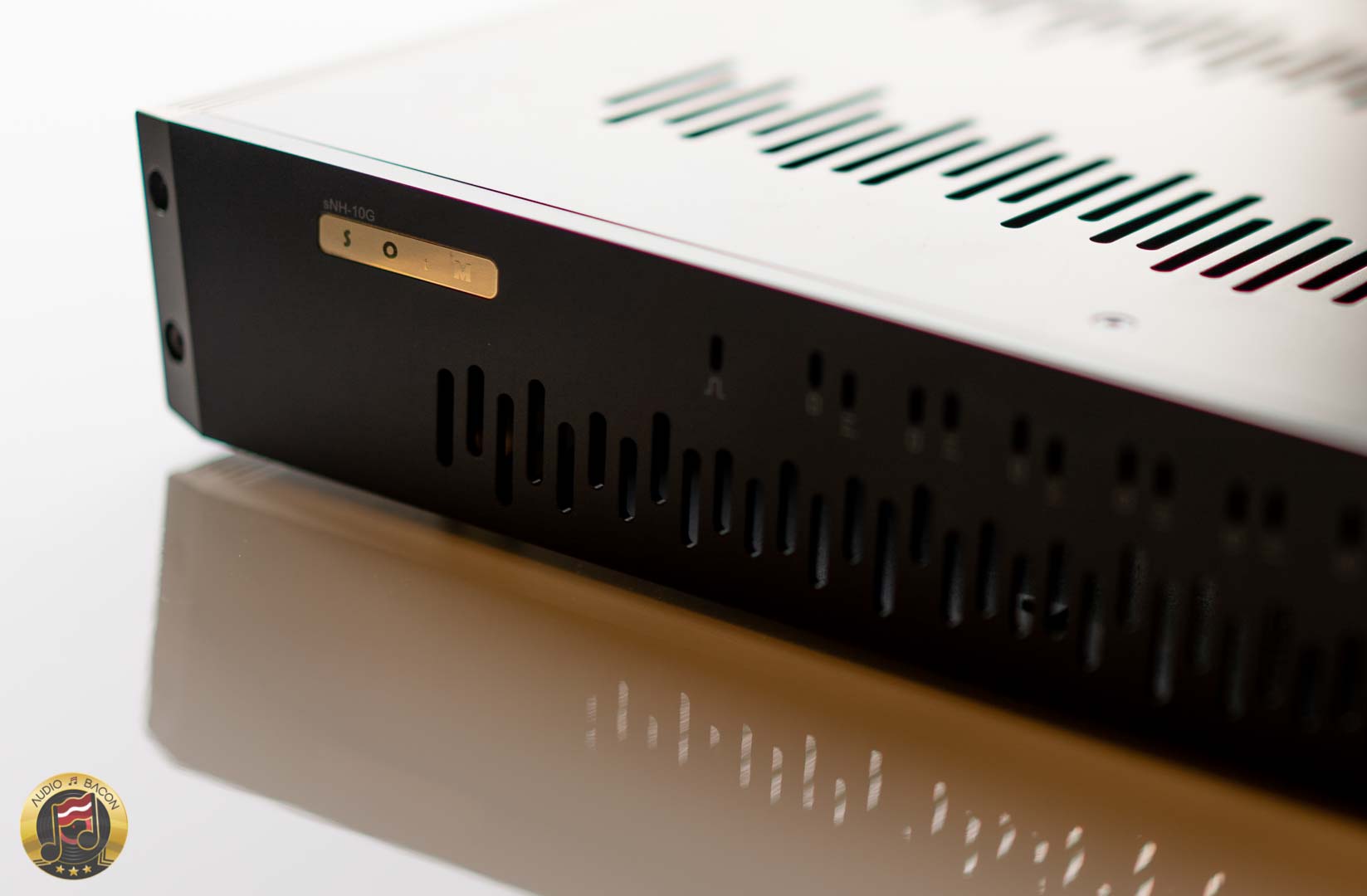
Cutting the Noise
The findings here were very interesting. Also, you don't need a trained ear to hear the differences. Once the switches were detached from the server - the sound immediately changes. So noise is always present - let's find out by how much.
The
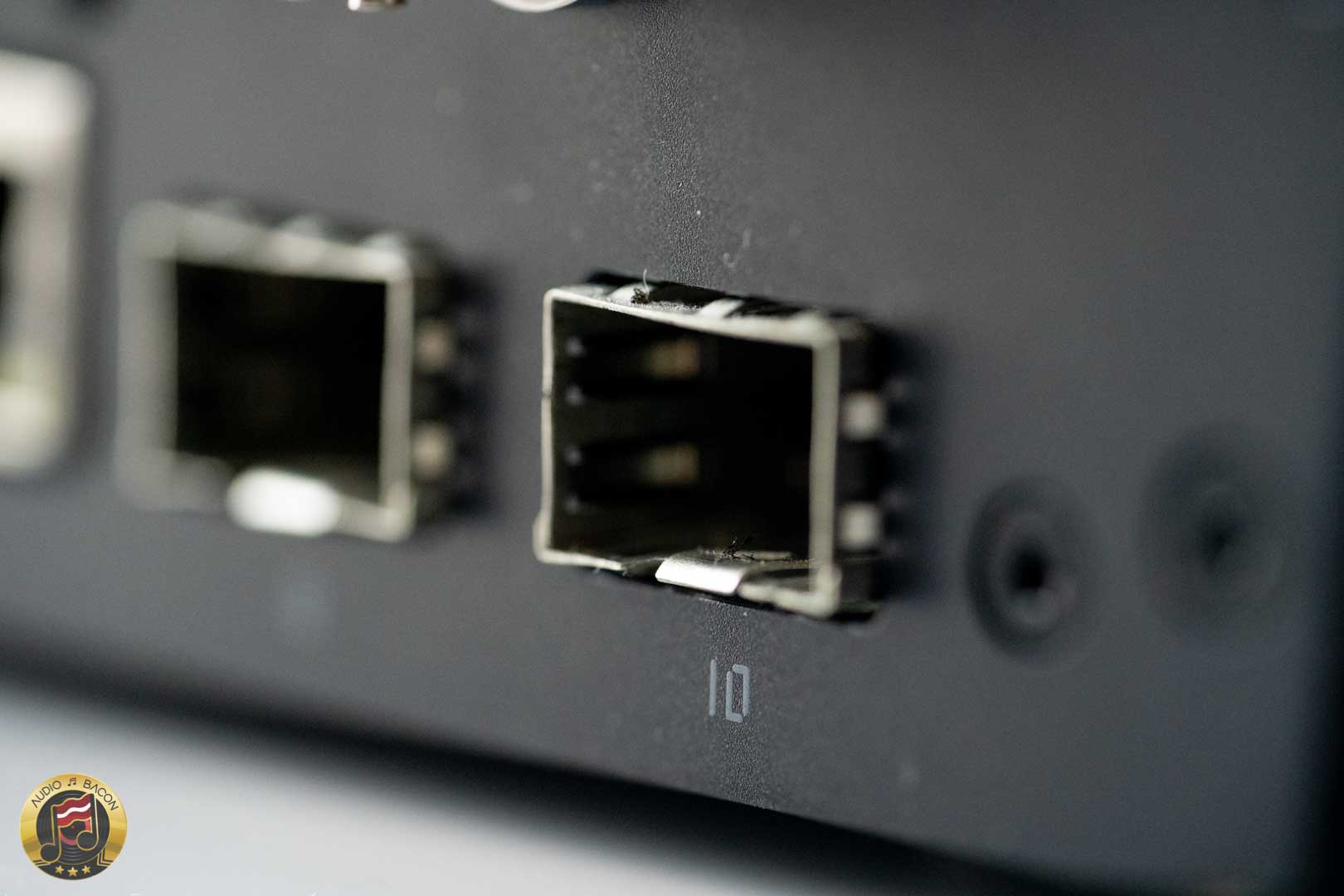
Tidal Streams
When I unplugged the SOtM
The differences were far larger with the ZyXEL. When unplugged, the sound was pretty much identical to what I heard when the SOtM was unplugged. Plugging the ZyXEL back in and you start to get an idea of just how much an attached switch could alter the sound of your music server. The ZyXEL is relatively dark sounding and has a much more veiled sound. It's not nearly as transparent as the SOtM. Not even close, really.
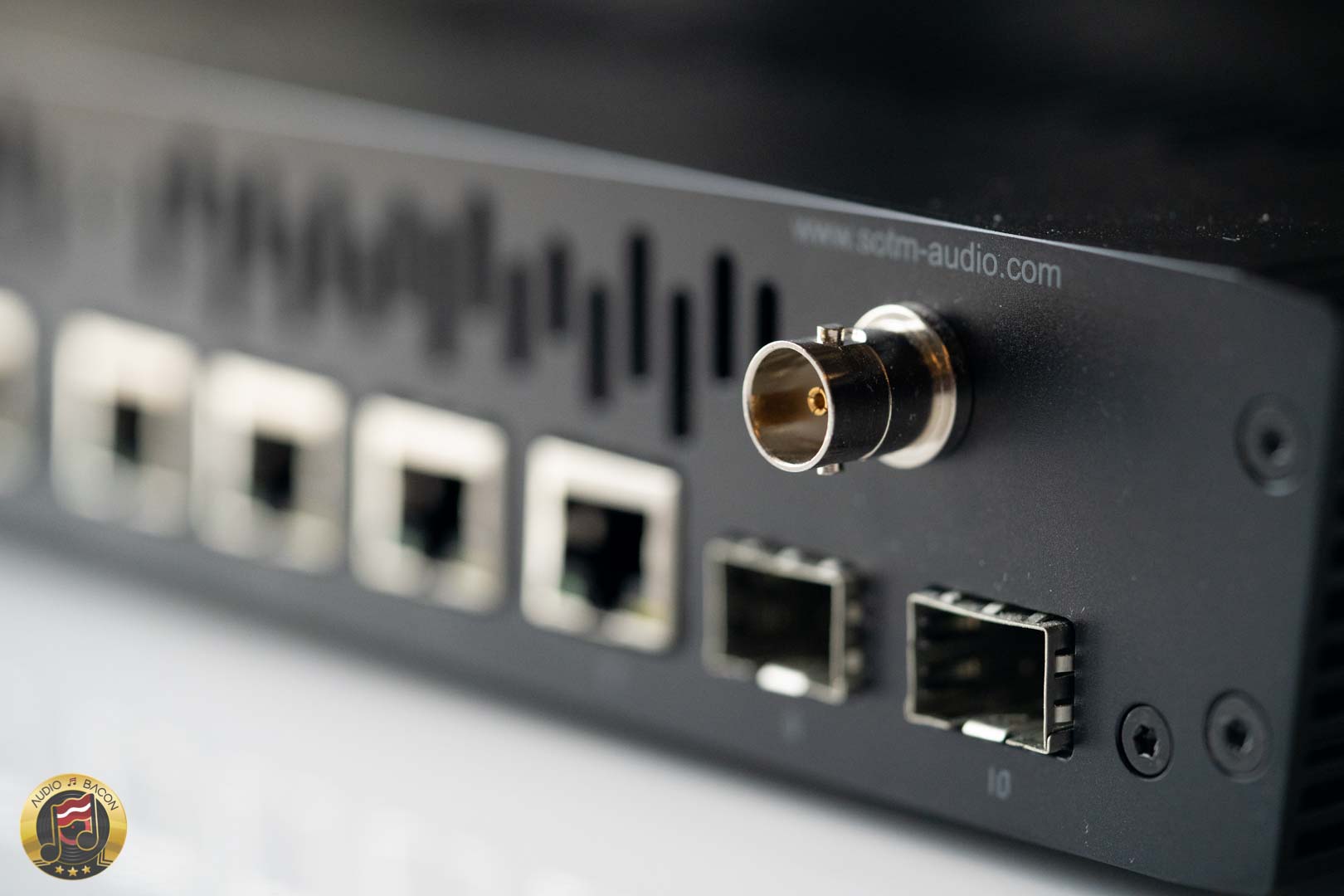
Local Files
From my experience, a local file almost always sounds better than a streamed file. So far, without exception. It's always quieter, more detailed, and imparts better cohesiveness.
In short, the performance gap is widened even further when playing local files (with switches detached). It sounds crisper, quieter, more liquid, and more transparent. The soundstage gets deeper and the music just breathes better. Plugging either switch back in - and the sound gets a little fuzzier and diffused. This is not so much the case for the
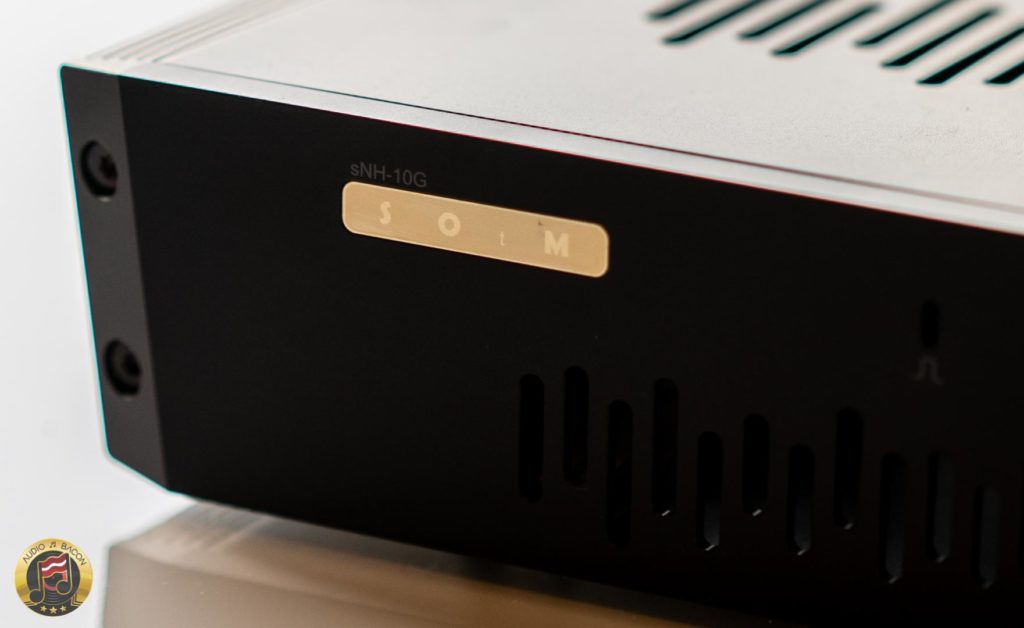
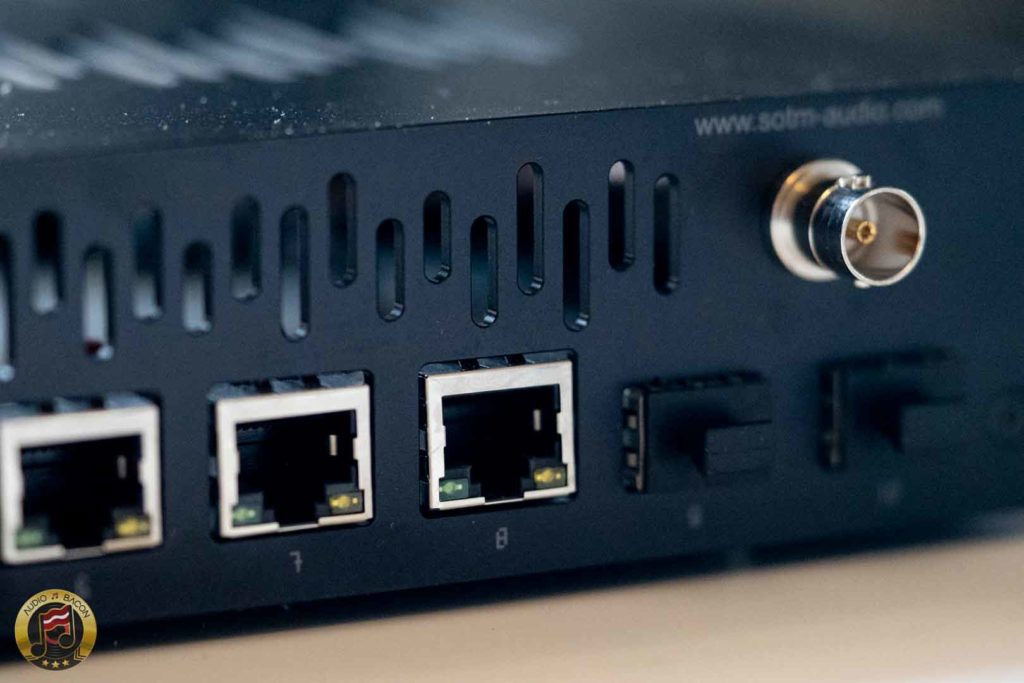
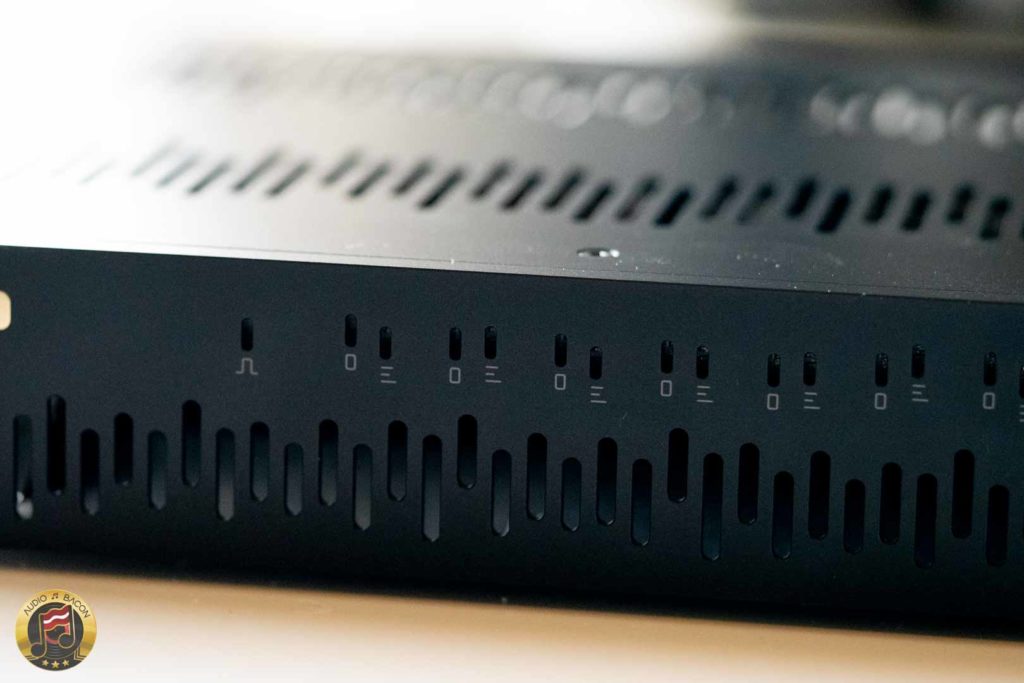
If the sound quality with the switch disconnected is our reference point, it's clear that the SOtM
To summarize, less noise meant:
- Better cohesion and smoothness
- Blacker background
- Fuller and warmer sound
- Better dynamics
- Much better transparency
[nextpage = title='Final Thoughts']
If you're listening to mostly digital music, it'll be worth investing in an audiophile grade Ethernet switch. It'll be the difference between a very flat sounding and convoluted image and a very precise, full-bodied, and enveloping one.
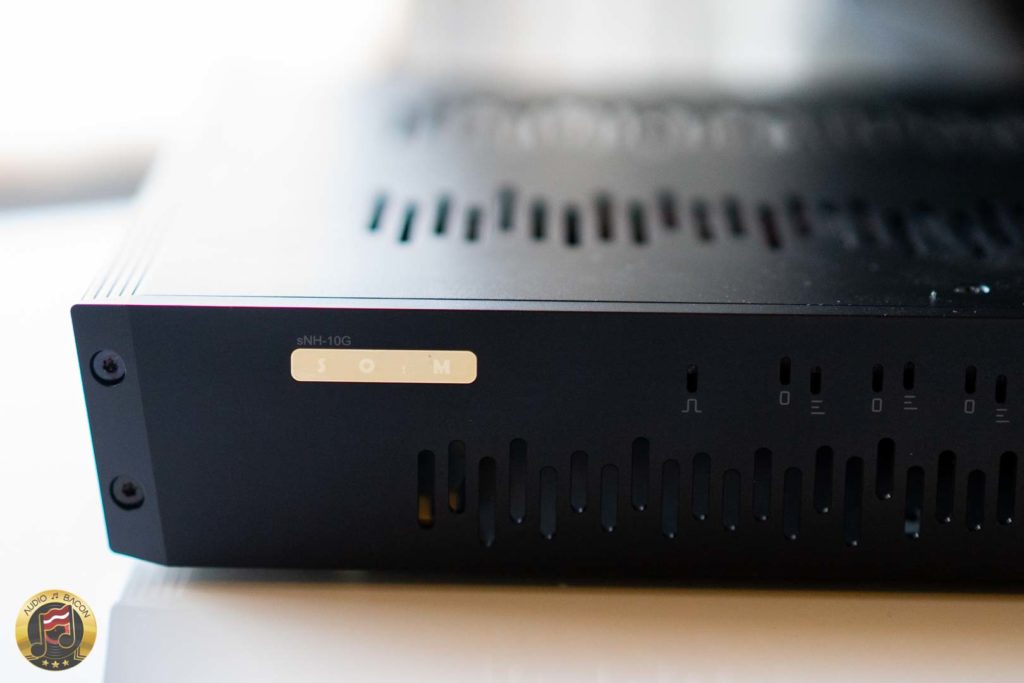
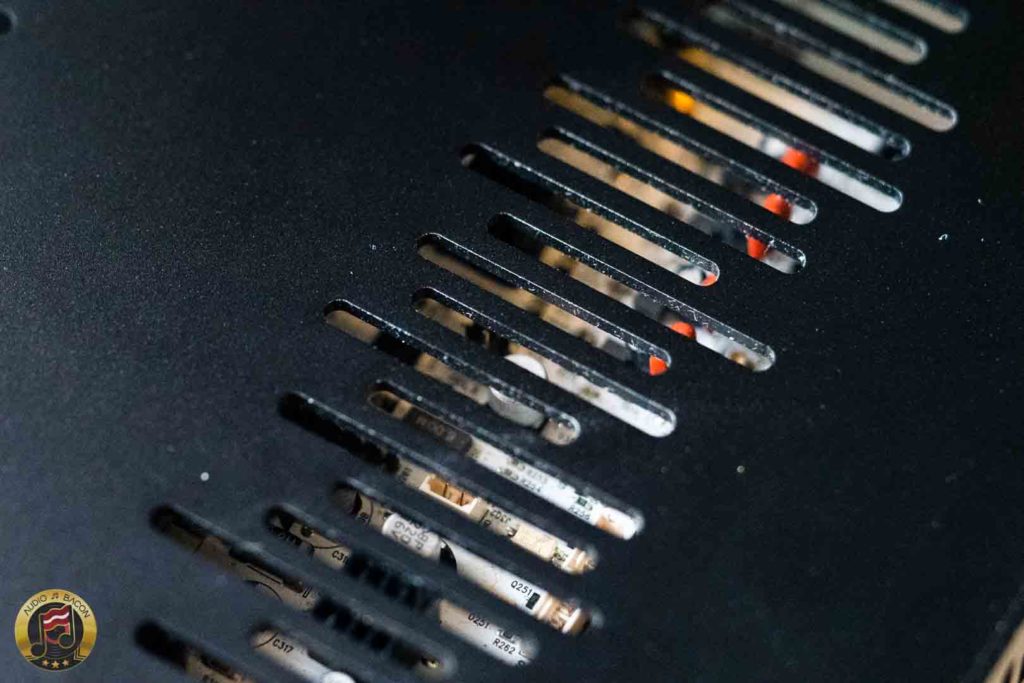
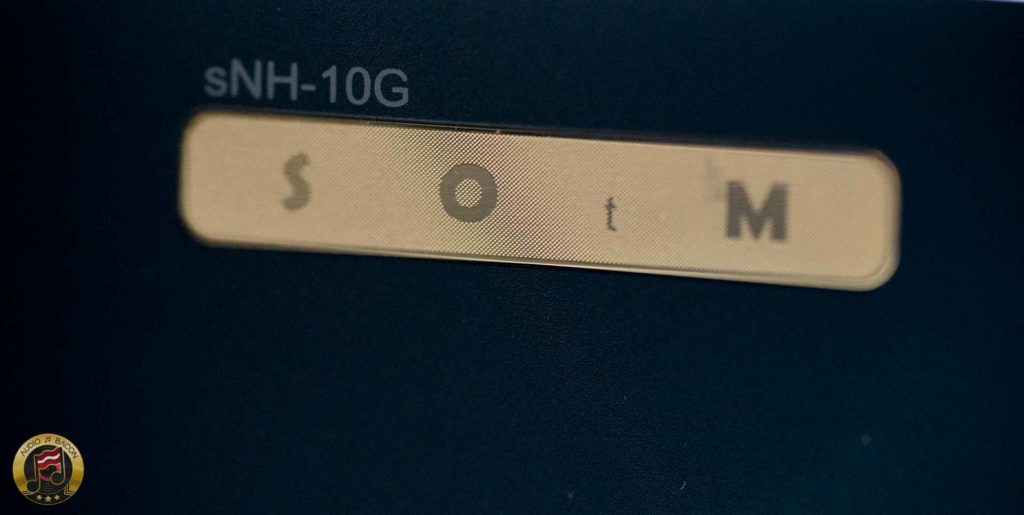
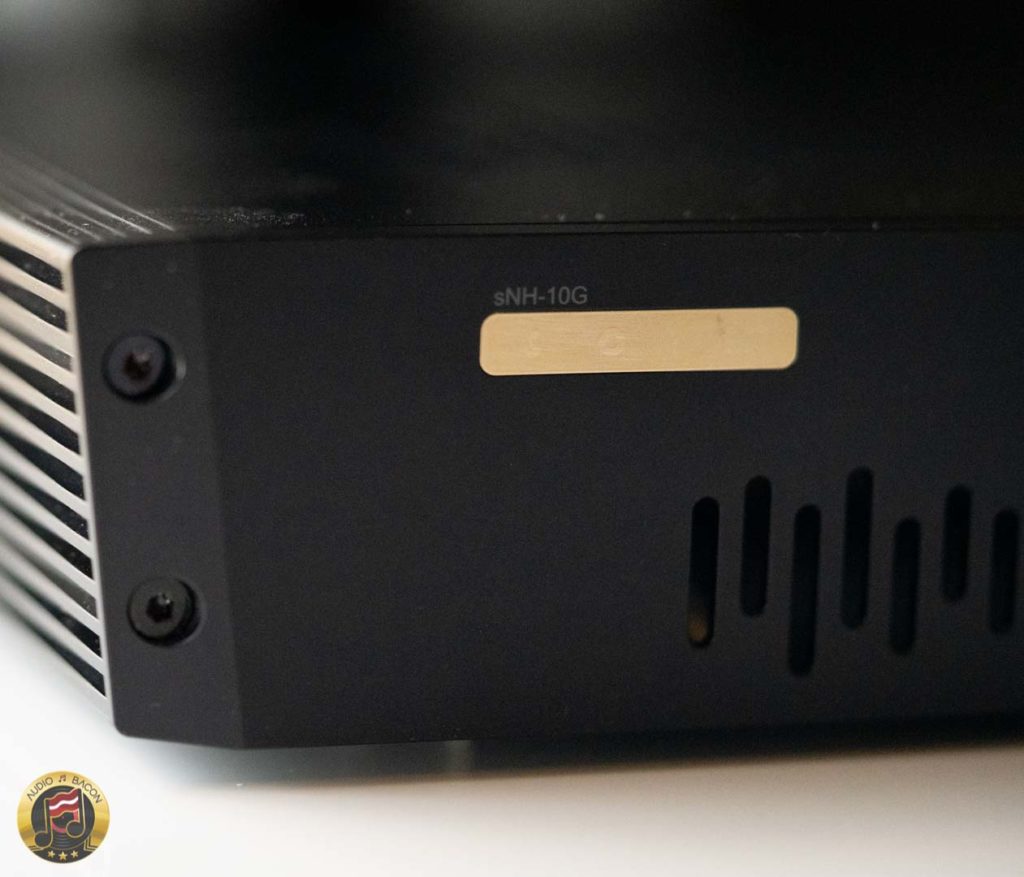
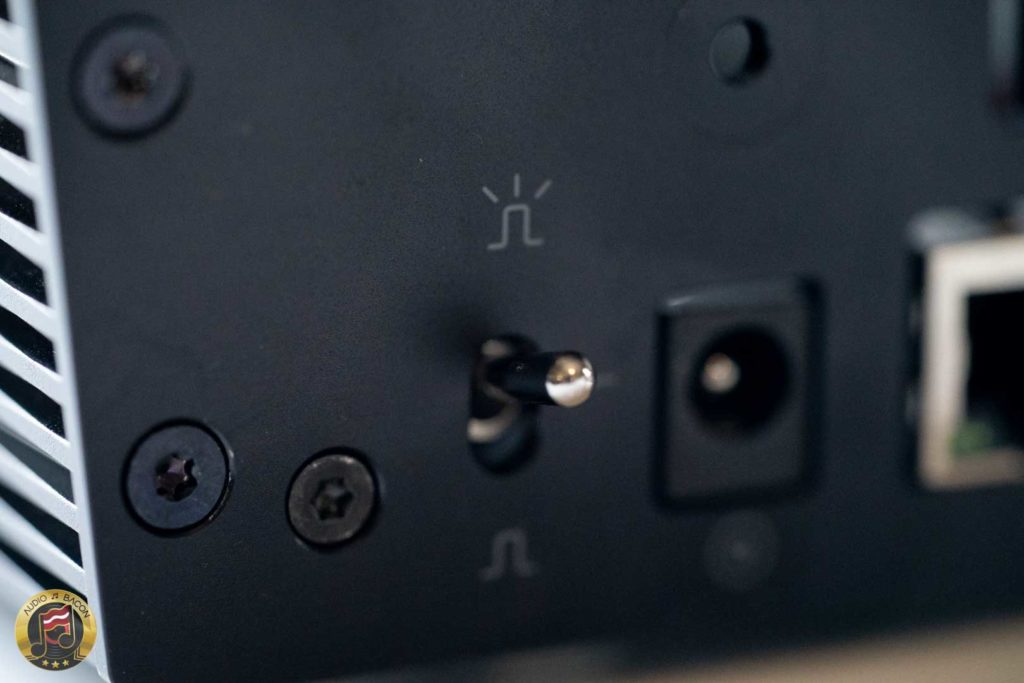
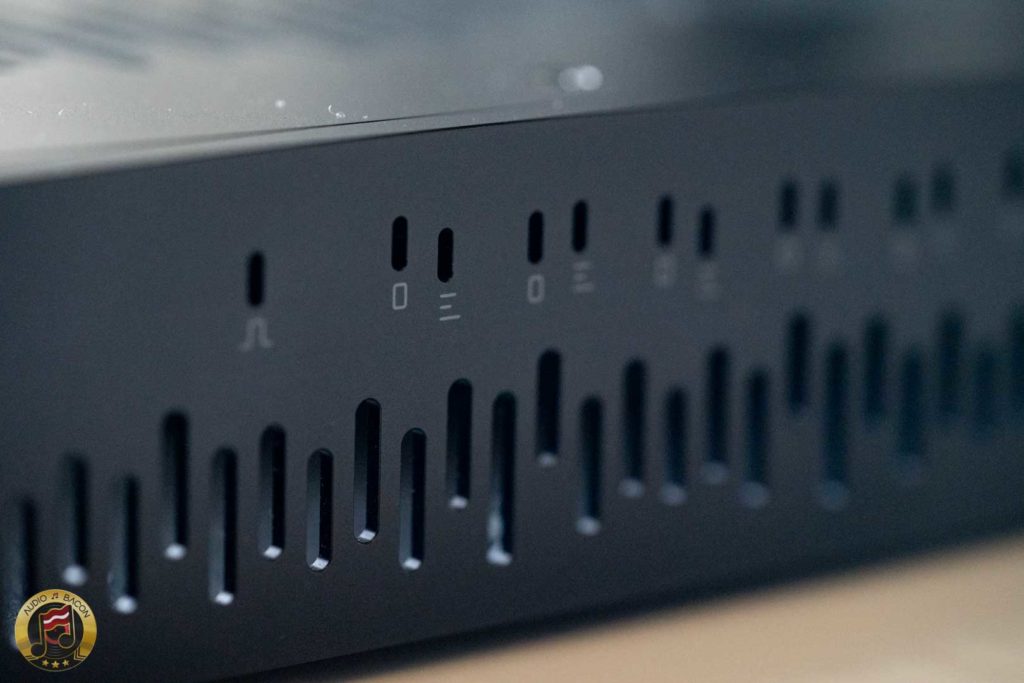
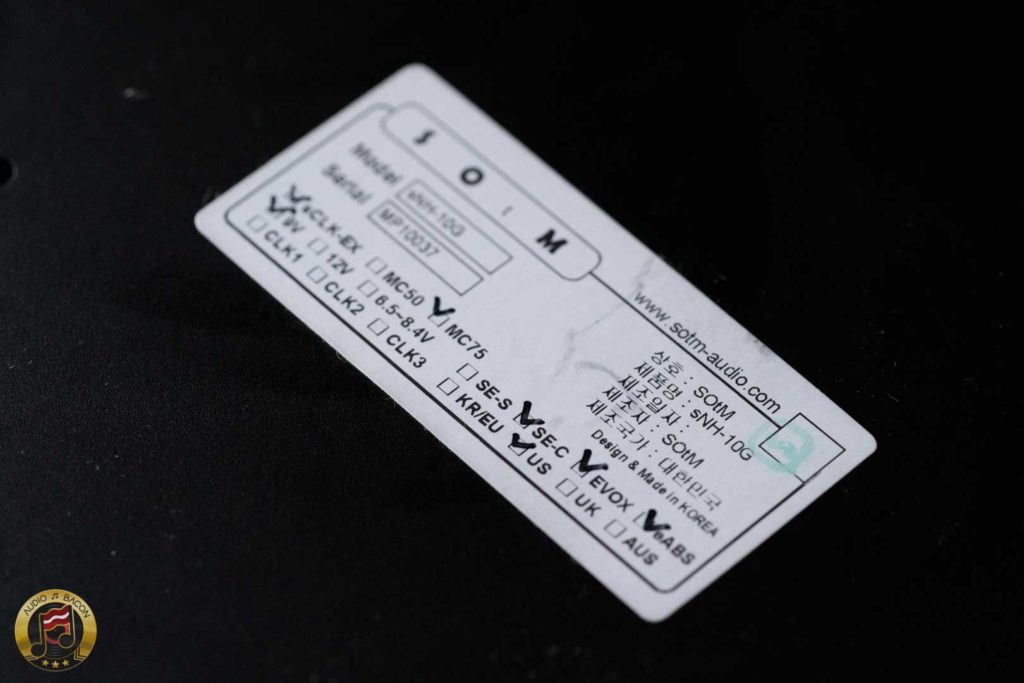
- If you're on a budget, the Cisco SG100D-08 V2 isn't too bad for $65. The tone is a little "grey" but it sounds pretty HiFi for a consumer device.
- If you're willing to spend a little bit more - The Linear Solution OCXO is an incredible value ($750). It's magnitudes better than any consumer-grade Ethernet switch.
- If you want the best audiophile Ethernet switch money could buy today - the SOtM
sNH -10G ismando . At $1,900 USD (with the Evox cap and 7N UPOCC upgrade), this switch is insanely expensive - but will be worth it to the snobbiest of audiophiles. In addition, to maximize the use of the SOtMsCLK -EX, it could be purchased with the SOtMsMS -200ultra Neo.
The impact of the SOtM sNH-10 on my own system was substantial. The improvements in detail retrieval, noise floor, and ultra-precise timing were at the level of a DAC upgrade. For me, that was enough to justify the price. So, I'm keeping this bad boy.
I'll be posting a video demonstrating the differences. It'll be in a blind test format. If you haven't done so already, SUBSCRIBE!
Purchasing: SOtM sNH-10G